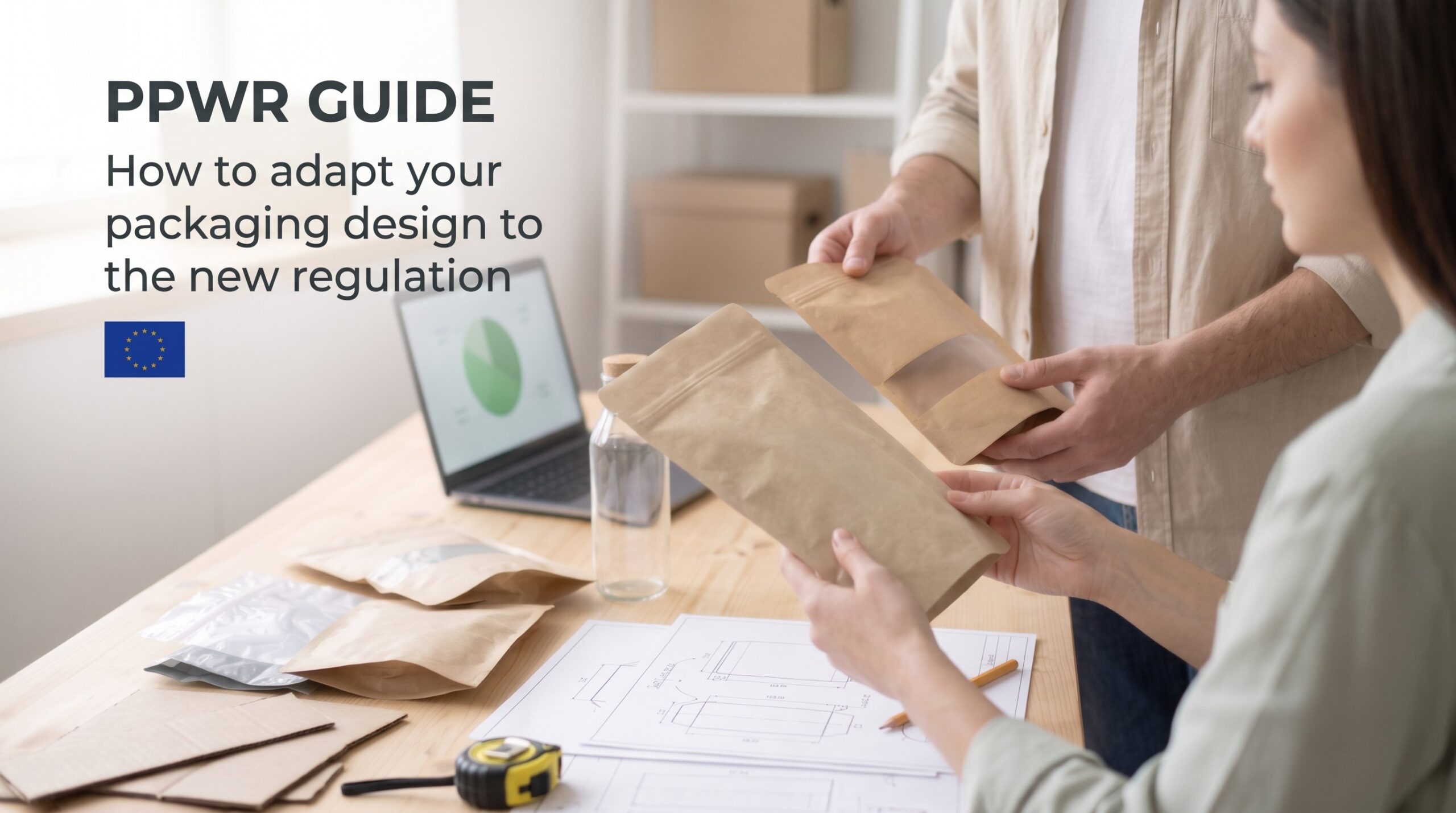
In order for packaging to comply with the requirements of the Packaging and Packaging Waste Regulation (PPWR), the redesign process must focus on three fundamental technical axes:
1. Transition from multilayer structures to monomaterial (monolayer)
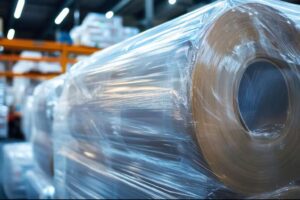
One of the main bottlenecks in flexible plastic recycling is the use of complex multilayer structures (for example, PET/PE or PET/ALU/PE). Although they provide high barrier properties, they are nearly impossible to separate in mechanical recycling plants.
PRACTICAL EXAMPLE: REPLACING HIGH THERMAL RESISTANCE FILM
The challenge: Maintaining sealability and thermal/oxygen barrier performance in high-temperature packaging processes (such as thermoforming, vertical form-fill-seal, or heat sealing).
The monomaterial solution: Replacing multilayer lamination with 100% PP (Polypropylene) or 100% high-density PE (Polyethylene) solutions, formulated with new-generation resins featuring MDO/BOPE orientations.
Direct benefit: Thermal and mechanical resistance is maintained on the machine while preserving a single polymer group, allowing the packaging to be classified as 100% recyclable in the conventional plastic stream.
2. QR Code Insertion: How it works, what it consists of, and application
The PPWR demands greater transparency and digital information regarding product composition, recyclability, and traceability through digital marking.
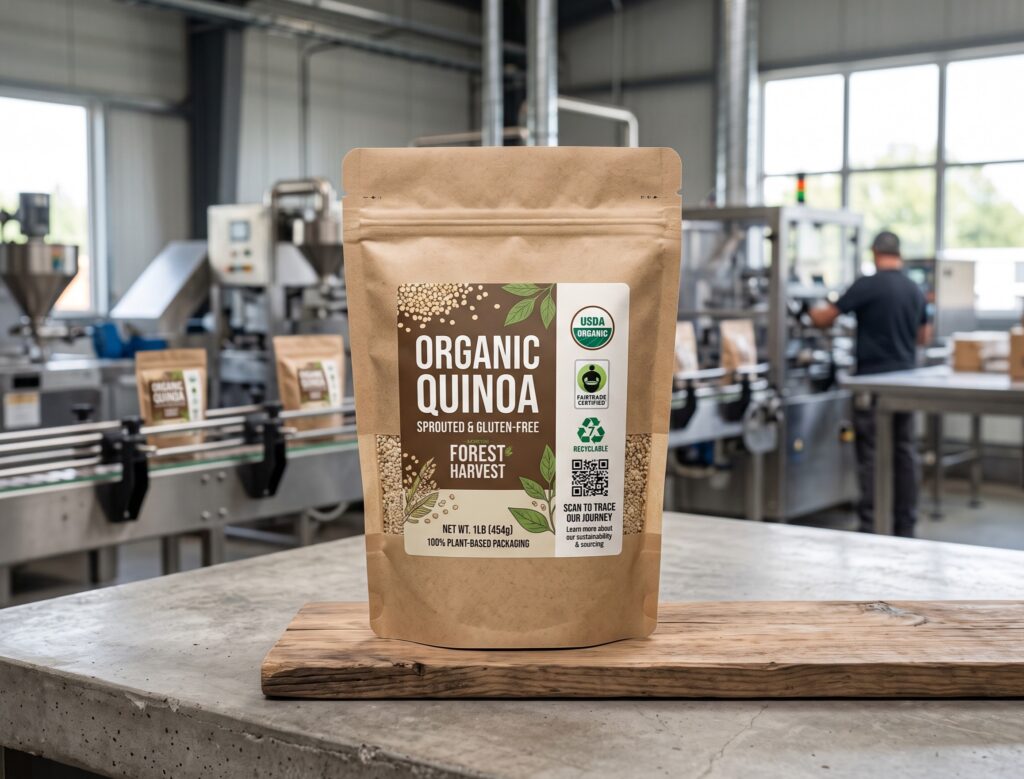
What does it consist of? It consists of integrating a QR code directly into the packaging’s graphic design.
How to implement it correctly?
Placement: It must be visible on the back or side of the package, ensuring high contrast against the background.
Linked content: When scanned, it must direct the user or waste manager to an information page detailing:
Composition sheet and materials used.
Precise separation and recycling instructions according to the target market.
Digital Product Passport (where applicable).
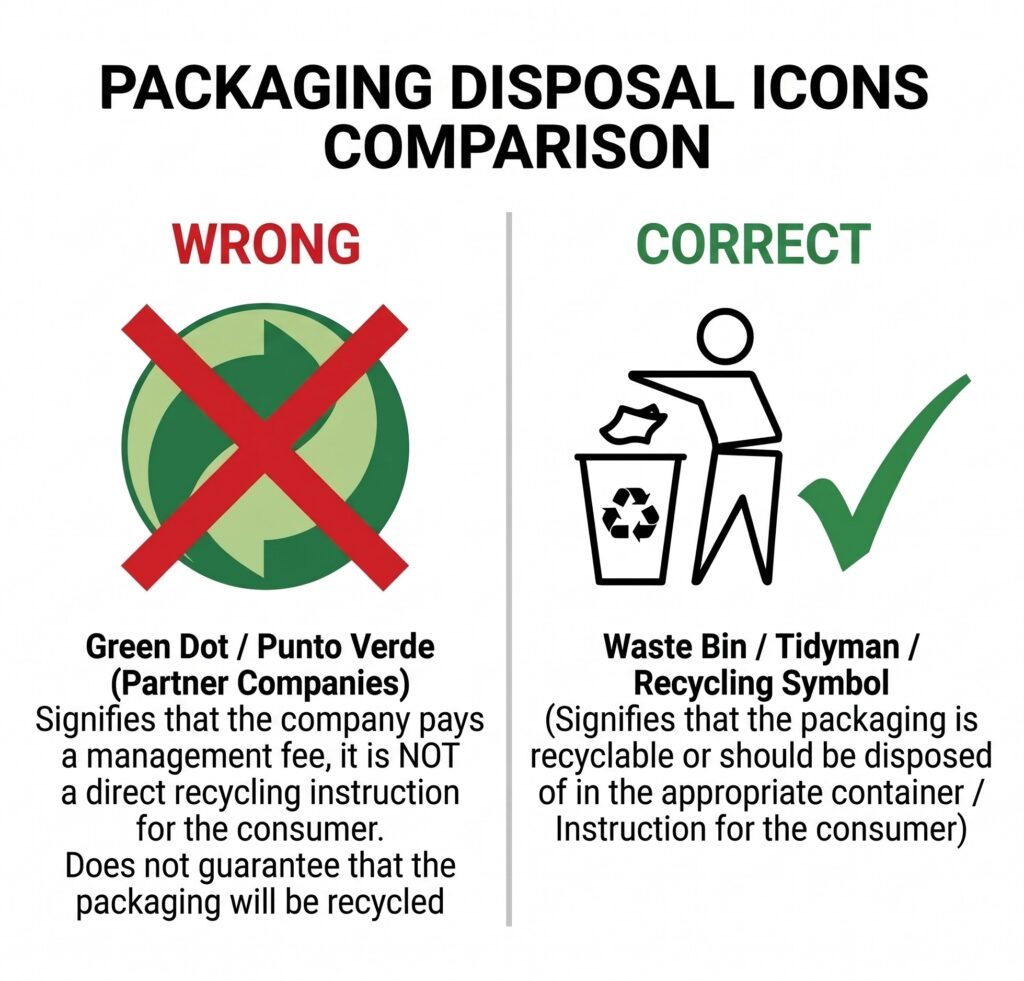
3. Mandatory labeling: Removing the "Green Dot" and incorporating the waste bin symbol
With the European harmonization introduced by the PPWR, the use of the historic Green Dot symbol is no longer mandatory or appropriate to indicate the real recyclability of packaging and is replaced by standardized recycling iconography and disposal instructions (waste bin / Tidyman pictogram).
Symbol to remove: Green Dot (avoids confusion about whether the material is actually recyclable or simply that a fee was paid).
Symbol to include: Waste bin / recycler icon along with the explanatory message for proper disposal.
4. Iconography and packaging material identification
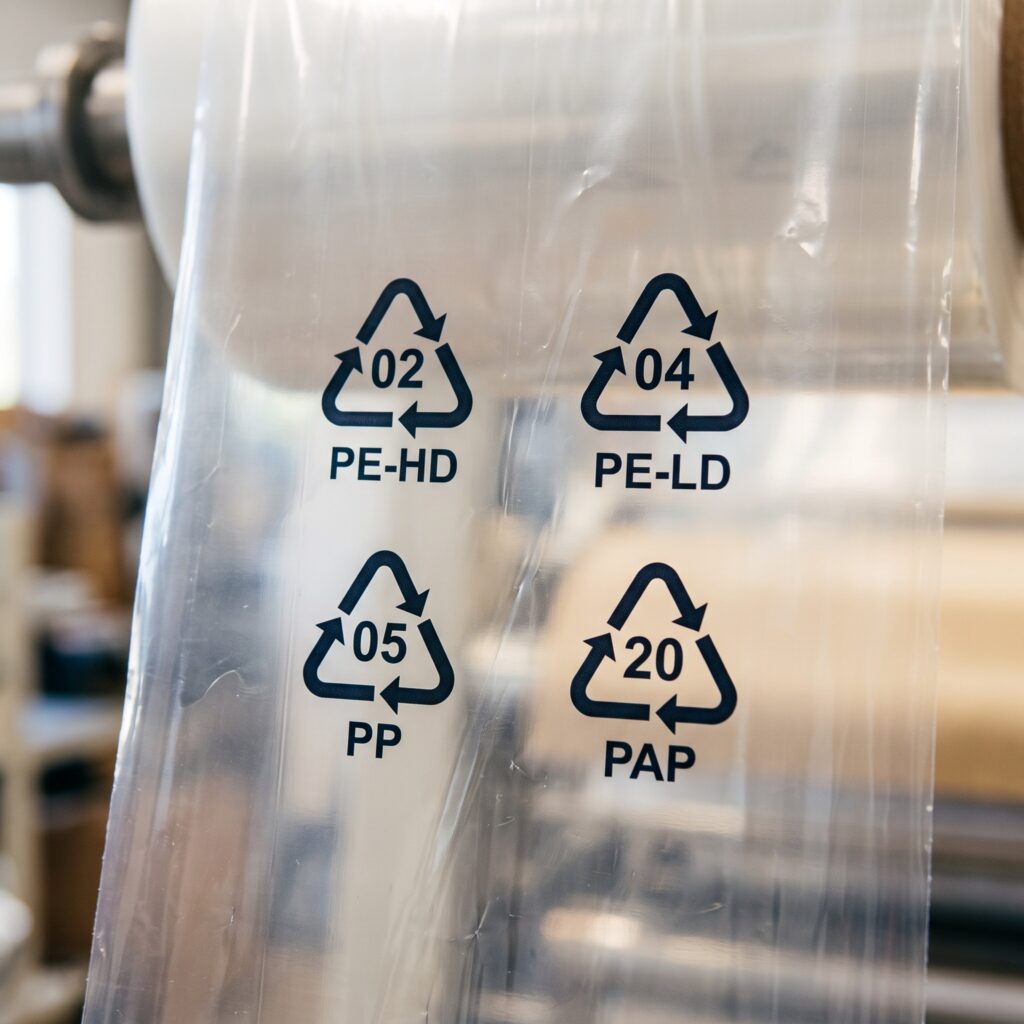
To comply with material identification requirements without cluttering the design or relying on additional adhesive labels, the regulation requires the use of official material coding iconography printed directly onto the film or packaging.
Application: Iconography stamped or printed directly on the film/material (e.g., code 05 PP, 04 PE-LD, PAP 20).
Advantage: Facilitates optical sorting in recycling plants and provides clear guidance to the end consumer.
Legal Context and Framework: What is the PPWR and why does it change the rules of the game?
The Packaging and Packaging Waste Regulation (PPWR) represents the most demanding regulatory shift in recent decades for the packaging sector. Unlike previous directives, this directly applicable regulation harmonizes requirements across all European Union member states.
KEY POINTS OF THE REGULATION:
Mandatory ecodesign: Packaging must be designed from the start to be recycled efficiently.
Waste reduction: Obligation to minimize weight, thickness, and empty space within the package.
Digital transparency and labeling: Standardization of material marking and inclusion of digital information tools (QR codes).
Do you have questions about how the PPWR affects your current catalogue? Contact us and we will review your designs and packaging: